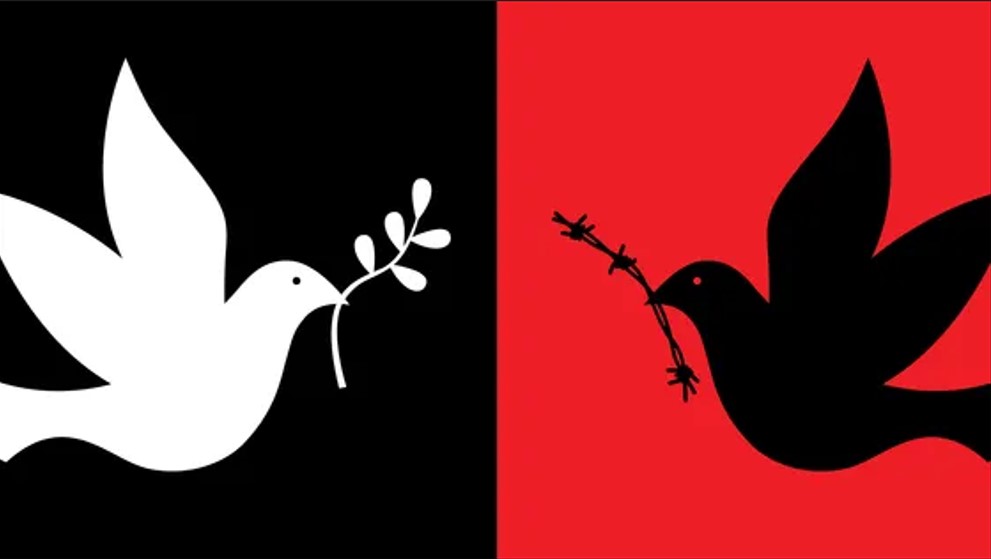
Ce séminaire adopte une perspective historique pour aborder les enjeux liés aux périodes de sorties de guerre. Il s’agit notamment d’interroger l’évidence supposée de la délimitation entre guerre et paix. Pour des sociétés mobilisées en profondeur, non seulement militairement et économiquement, mais aussi culturellement, le passage de la guerre à la paix s’apparente à un processus complexe. Il faut ainsi se pencher sur l’éventuelle poursuite de logiques guerrières une fois la paix revenue et chercher à comprendre la manière dont les guerres ont, depuis deux siècles, travaillé les sociétés bien après la fin des combats ou la signature officielle des traités de paix.
- Enseignant: Elise Julien
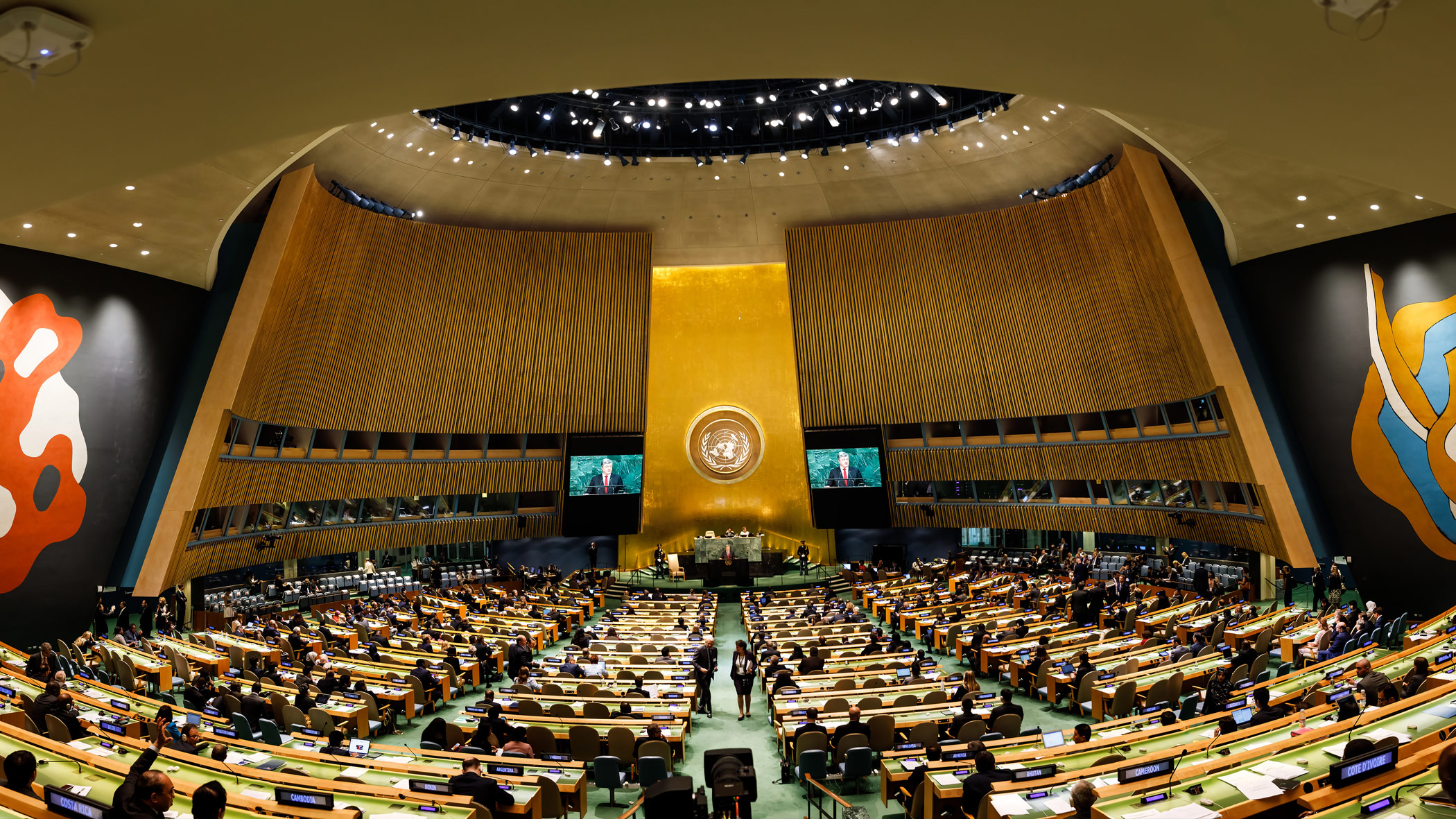
This course on “Peace, Security, and Multilateral” aims to provide students with a thorough analysis of issues at the core of contemporary diplomatic practice, with a focus on the instances of multilateral cooperation and their role in the field of peace and security.
Through both a theoretical and a practical approach of the study of diplomacy, we will focus both on the history on international cooperation and on the most recent transformations in the conduct of international affairs.
Over 6 sessions of 3 hours each (18h), students will get the opportunity to better understands the specifics of multilateral diplomacy and what makes it different from traditional bilateral exchanges. By including the variety of international actors taking to the multilateral ‘arena’ (United Nations, European Union, African Union, OSCE, NGOs, etc.), this class aims to shed light on the contribution of international organizations to the management of global issues. Formulating new norms and values, these organizations directly shape the structure of the international political scene. Finally, this course will focus on the issue of the reform of multilateralism and its capacity to adapt to world order ongoing transformations and changing confrontations.
- Enseignant: Marieke Louis
- Enseignant: Charles Tenenbaum